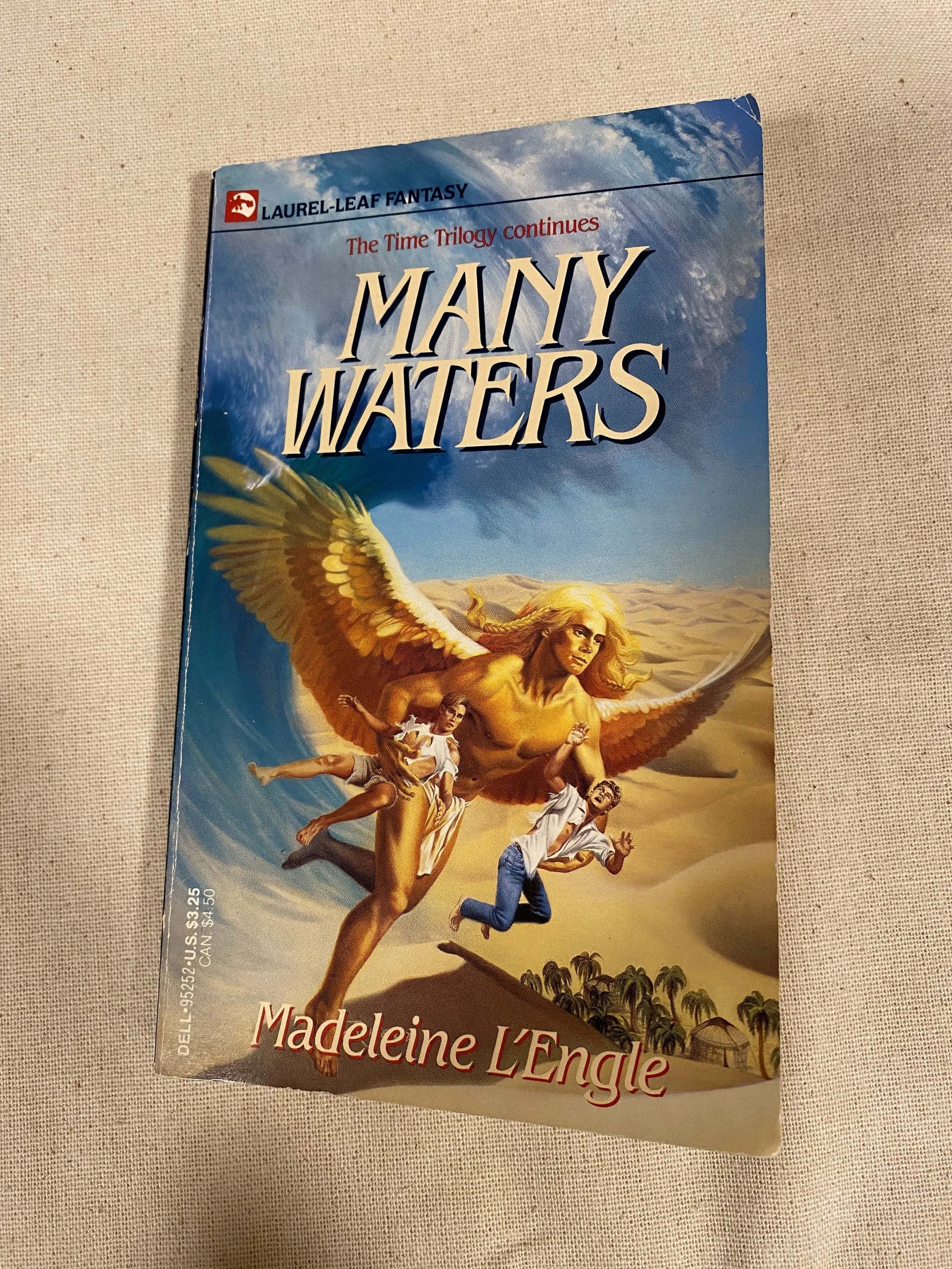
Many Waters by Madeleine L'Engle

3/5 stars

What's it about? The fourth book of the Time Quintet focuses on twins Sandy and Dennys Murray, who accidentally transport themselves to a remote desert civilization where they meet Noah, a man they recognize might one day build a boat.

How’d I find it? An English teacher took me to meet L’Engle when I was in sixth grade. L’Engle’s inscription in my copy of A Ring of Endless Light reads “Be a Light Bearer.”

Who will enjoy this book? Like I’ve mentioned in prior reviews, the Time Quintet offers wholesome fantasy for young readers. Many Waters nods to the Old Testament while maintaining the universality of the book’s themes.

What stood out? As in all her fiction, L’Engle dispenses with the rules of the universe as we know them and creates her own realities. In Many Waters this takes the form of the seraphim and nephilim, angels that move among the humans and shape their destinies. Don’t worry, there are also unicorns.

Which line made me feel something? L’Engle’s vision of a higher power is certainly romantic: “All the raging of creation, the continuing hydrogen explosions on the countless suns, the heaving of planetary bodies, all was enfolded in a patient, waiting love.”
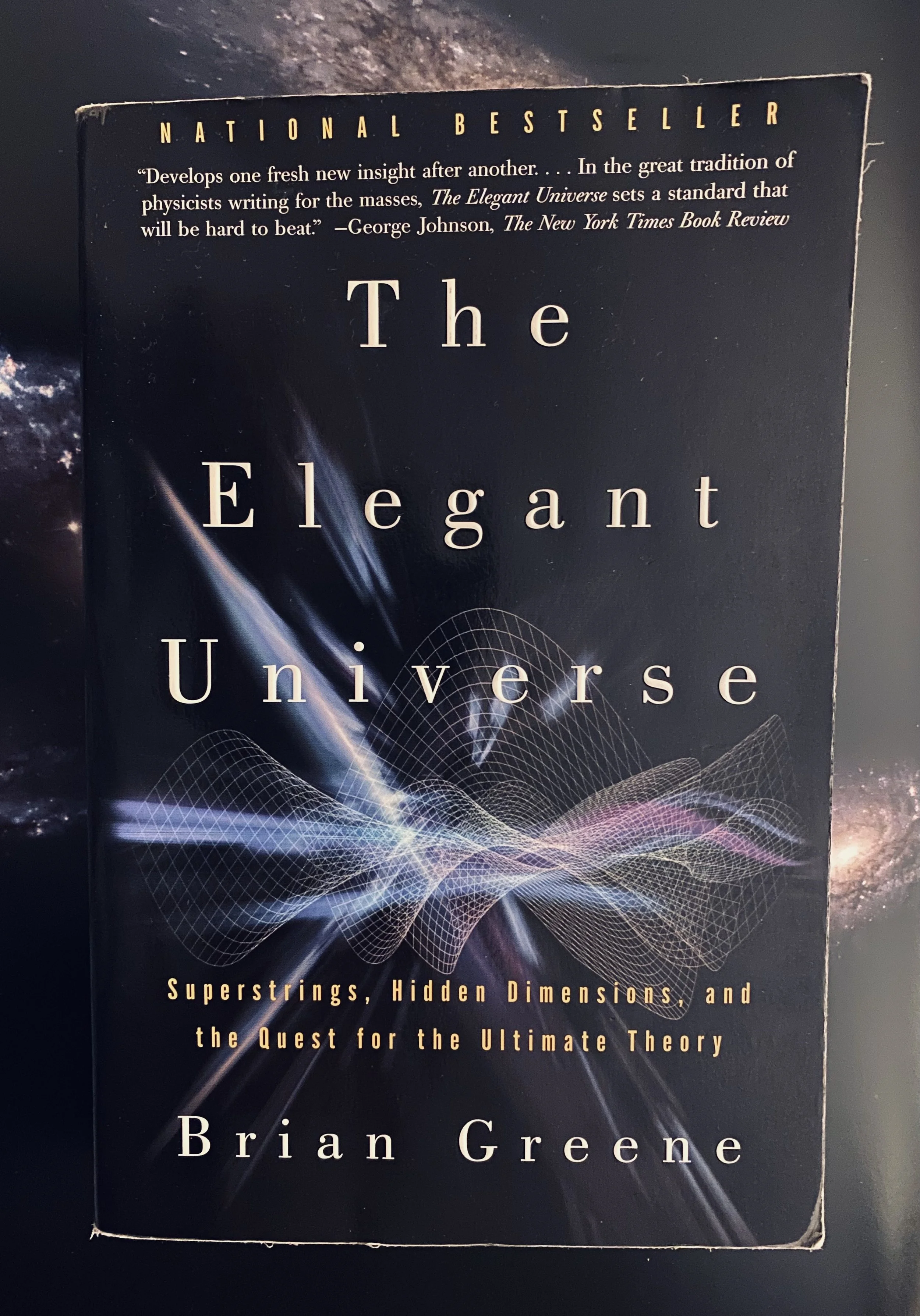
The Elegant Universe by Brian Greene

4/5 stars

What's it about? Brian Greene (elegantly, dare I say?) explains superstring theory, its potential to solve the conflict between quantum mechanics and general relativity, and the history of scientific discovery behind these theories.

How’d I find it? I’ve had this book on my shelves for at least ten years, as evidenced by where I found it: Books for America, a wonderful but long-gone used bookstore in Washington, DC.

Who will enjoy this book? If you enjoy popular science à la Neil deGrasse Tyson and Carlo Rovelli, you’ll appreciate The Elegant Universe.

What stood out? This is physics made approachable, a feat achieved by visuals, Greene’s enthusiasm, and many a metaphor to buoy readers through the more abstract concepts. Garden hoses will remind me of multiple dimensions forevermore. And like any good popular science book that focuses on astrophysics, The Elegant Universe gives the people what they want: a chapter on black holes.

Which line made me feel something? The descriptions of scale in this book make the mind wobble: “a black hole whose mass is about three times that of the sun has a temperature of about a hundred-millionth of a degree above absolute zero.”

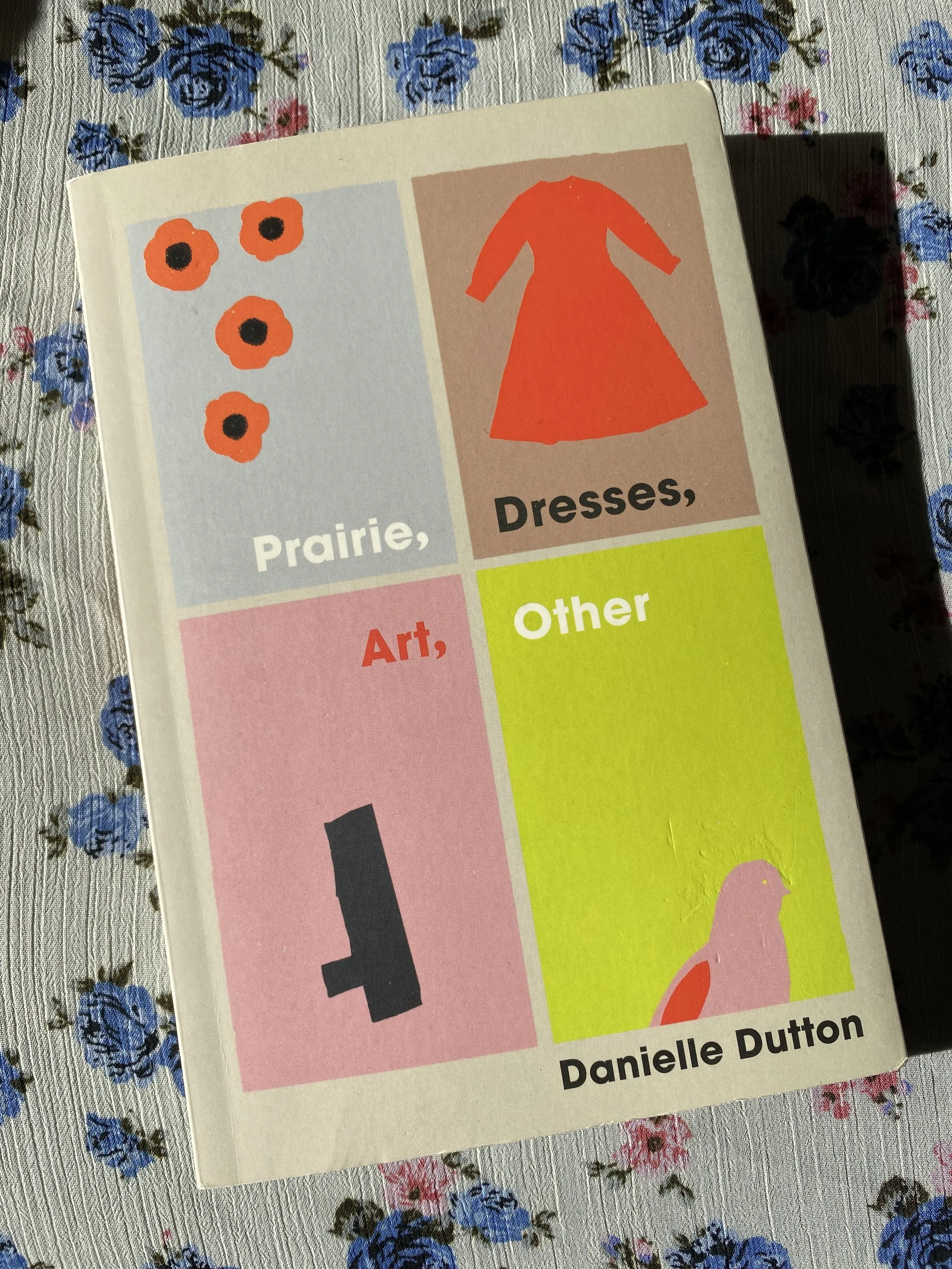
Prairie, Dresses, Art, Other by Danielle Dutton

4/5 stars

What's it about? Danielle Dutton writes to the four title subjects, forging a collection of plain good storytelling. A book that takes risks, and they work.

How’d I find it? The person who recommended Best Barbarian by Roger Reeves suggested this one, so I had an inkling I’d like it.

Who will enjoy this book? Readers of Anne Carson and Maggie Nelson’s Bluets will love this book.

What stood out? I was particularly smitten with the collage pieces of Prairie, Dresses, Art, Other: “Sixty-Six Dresses I Have Read,” a quilt of writing about dresses that builds into a larger narrative, and “A Picture Held Us Captive,” a smart essay on how artworks converse with each other. The eclectic mix of work featured here includes flash fiction, essay, memoir, and even a one-act play.

Which line made me feel something? From the short story “Installation:” “The ‘hillside’ evoked hillsides, she realized, but other things as well. It felt like a performance. It felt like an obsession in space.”

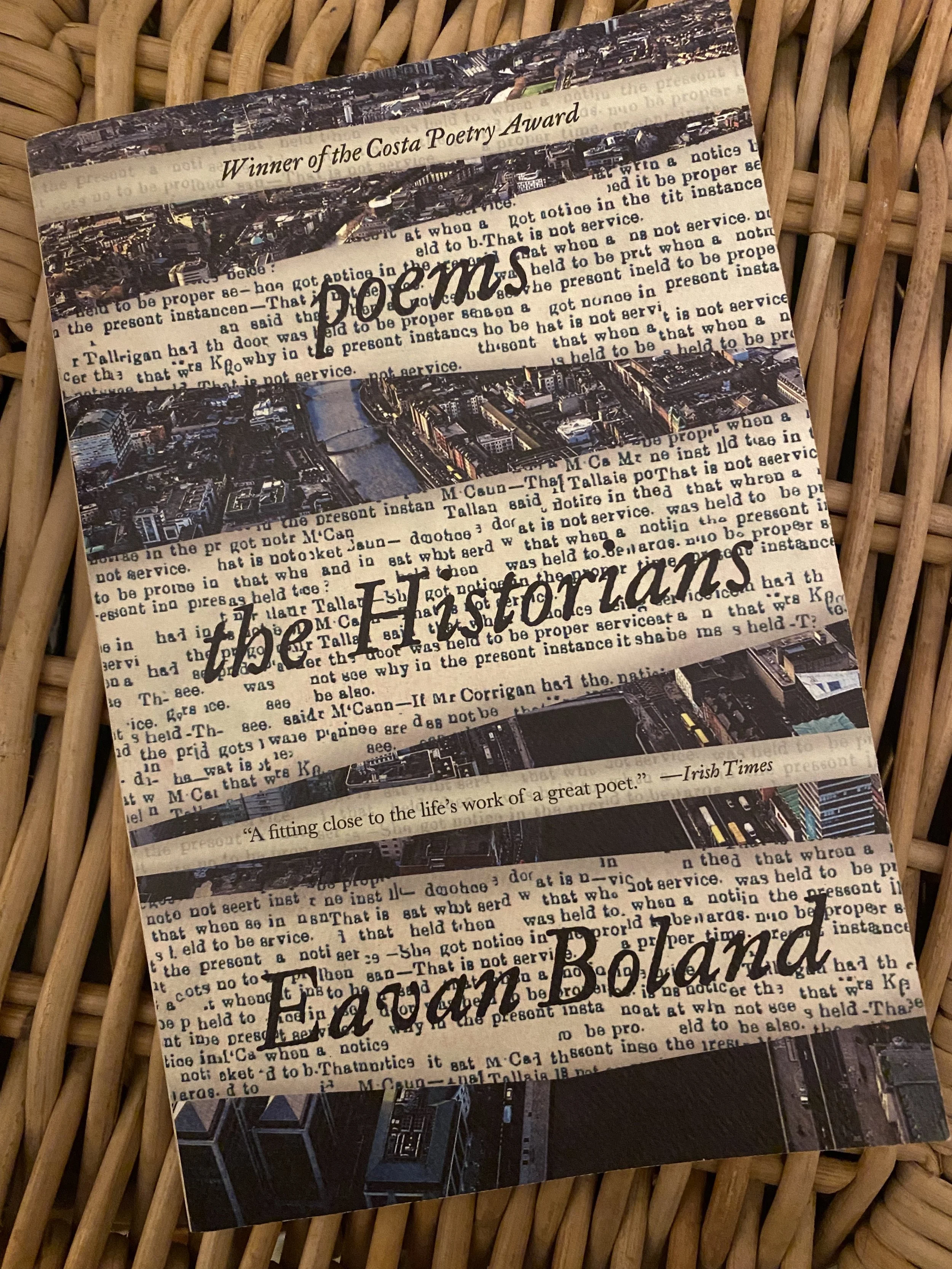
The Historians by Eavan Boland

3/5 stars

What's it about? In her final collection, Eavan Boland returns to women’s histories, craft, and country.

How’d I find it? Praise be a Saturday browse at Powell’s.

Who will enjoy this book? If you’ve never read Eavan Boland and delight in Seamus Heaney, you’re in for a treat.

What stood out? Narrative poems and ars poeticas populate The Historians, with one section made up of a piece commissioned for the 100th anniversary of Irish women’s suffrage. Boland sure knows how to devise a turn in a poem.

Which line made me feel something? From “The Fire Gilder,” which opens the book: “My subject is the part wishing plays in / the way villages are made / to vanish, in the way I learned / to separate memory from knowledge, / so one was volatile, one was not”

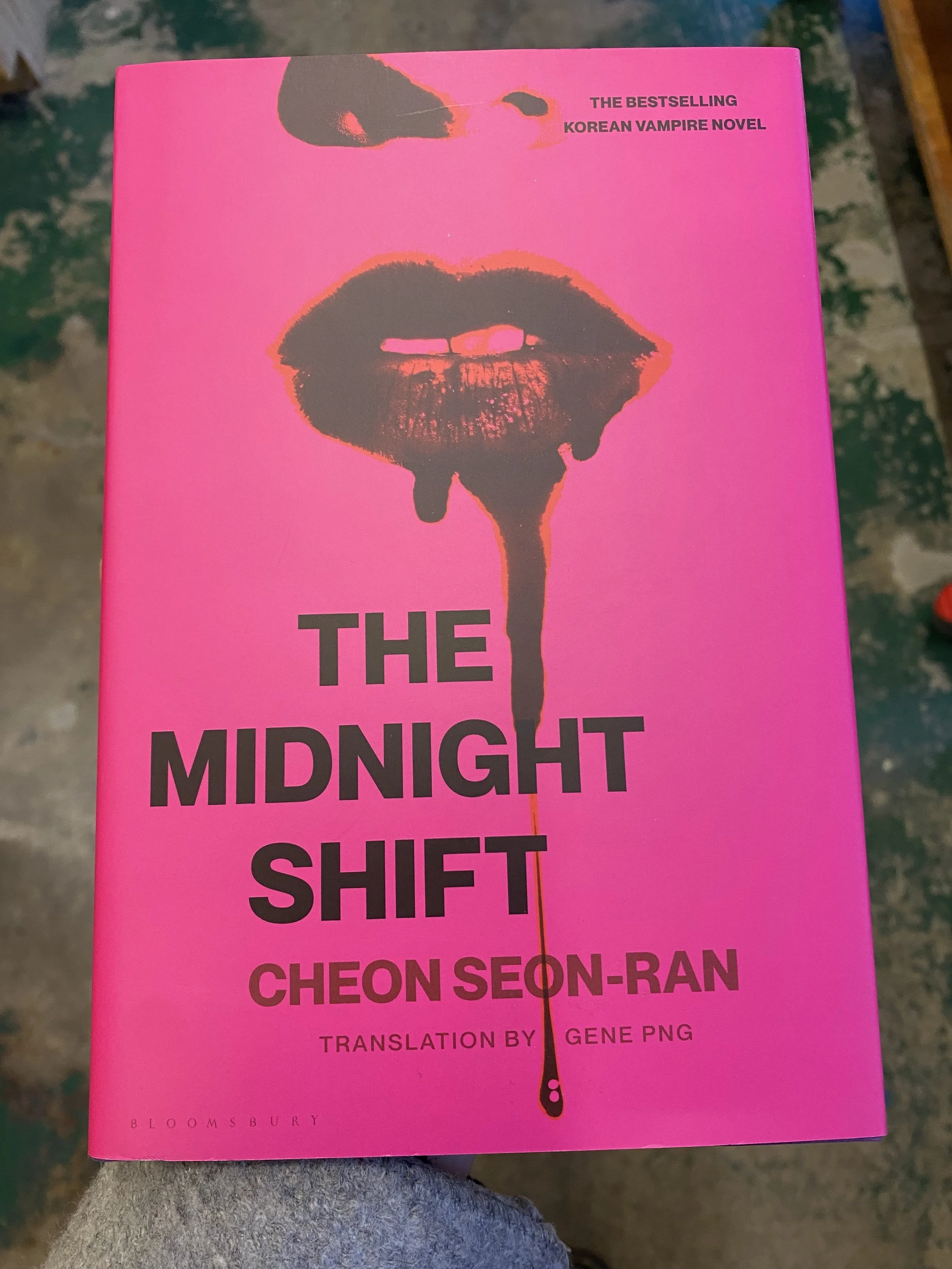
The Midnight Shift by Cheon Seon-Ran, translated by Gene Png

2/5 stars

How’d I find it? Aside from the hot pink cover, I was drawn to the prospect of a vampire tale and the hospital as hunting ground.

Why not 3 or more stars? Detective Su-Yeon investigates a spree of suicides among a hospital’s older patients and encounters Violette, a vampire-hunter who suspects foul play. The Midnight Shift toggles between Su-Yeon’s story and the struggles of one of the hospital’s nurses, while doling out Violette’s back story in fragments. Though entertaining, the novel lacks in vampire lore to round out the narrative, and our characters remain one-dimensional to a conclusion befitting of the CW.

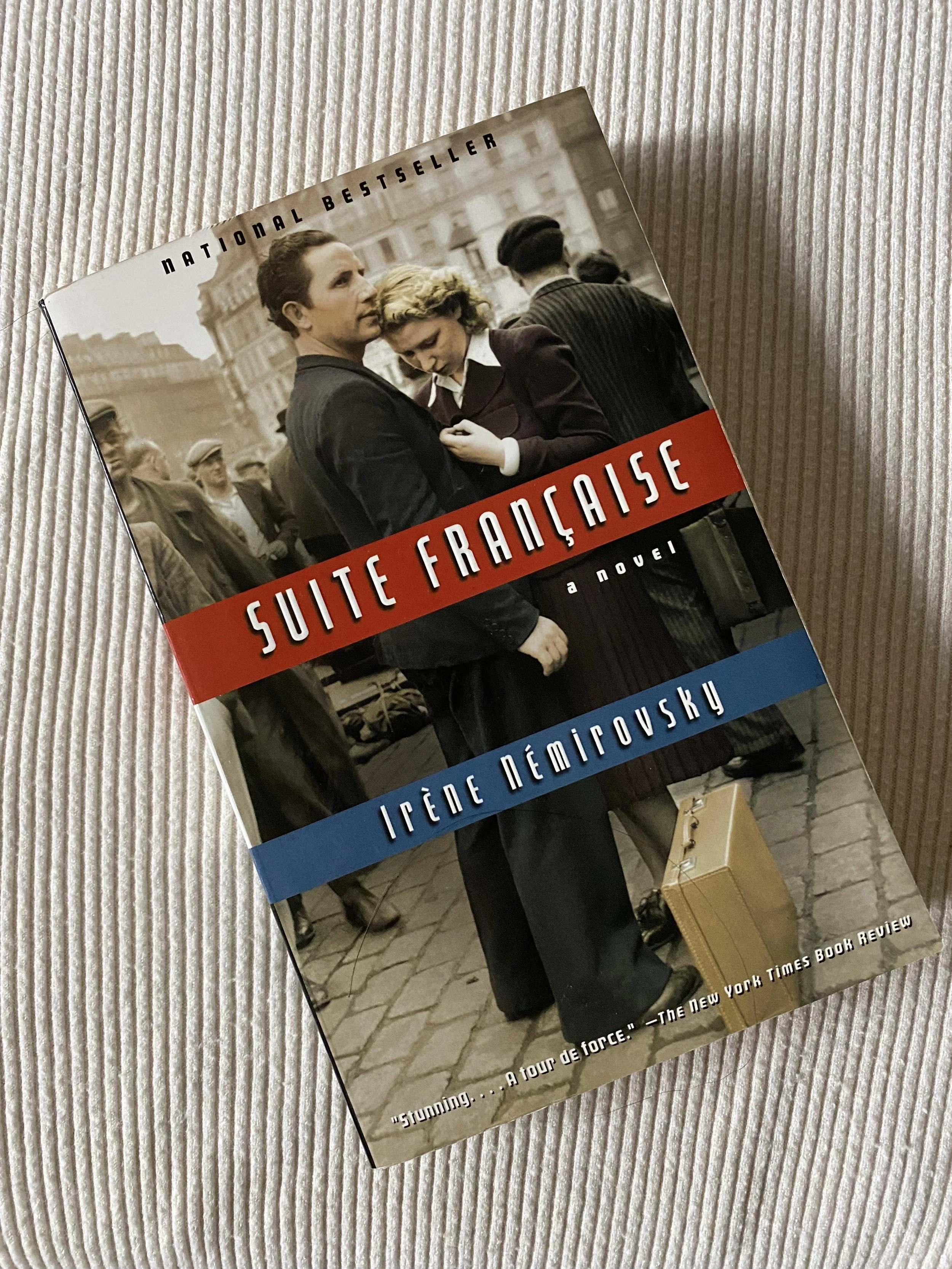
Suite Française by Irène Némirovsky, translated by Sandra Smith

4/5 stars

What's it about? This vivid and human account of the Nazi occupation of France is made all the more potent by the fact of the novel’s publication long after the author’s death at Auschwitz.

How’d I find it? Suite Française appears on “best of” lists, and I had to check it out.

Who will enjoy this book? Fans of Kristin Hannah’s work and Anthony Doerr’s All the Light We Cannot See should like this one.

What stood out? Suite Française collects two of a planned five-part series unfinished by Némirovsky; the work she was able to complete captures war in the intimate details of individuals trying to survive. The edition I read concludes with Némirovsy’s notes on the project, as well as heartbreaking correspondence that describes her deportation and disappearance.

Which line made me feel something? “Yet this music, the sound of this rain on the windows, the great mournful creaking of the cedar tree in the garden outside, this moment, so tender, so strange in the middle of war, this will never change, not this.”

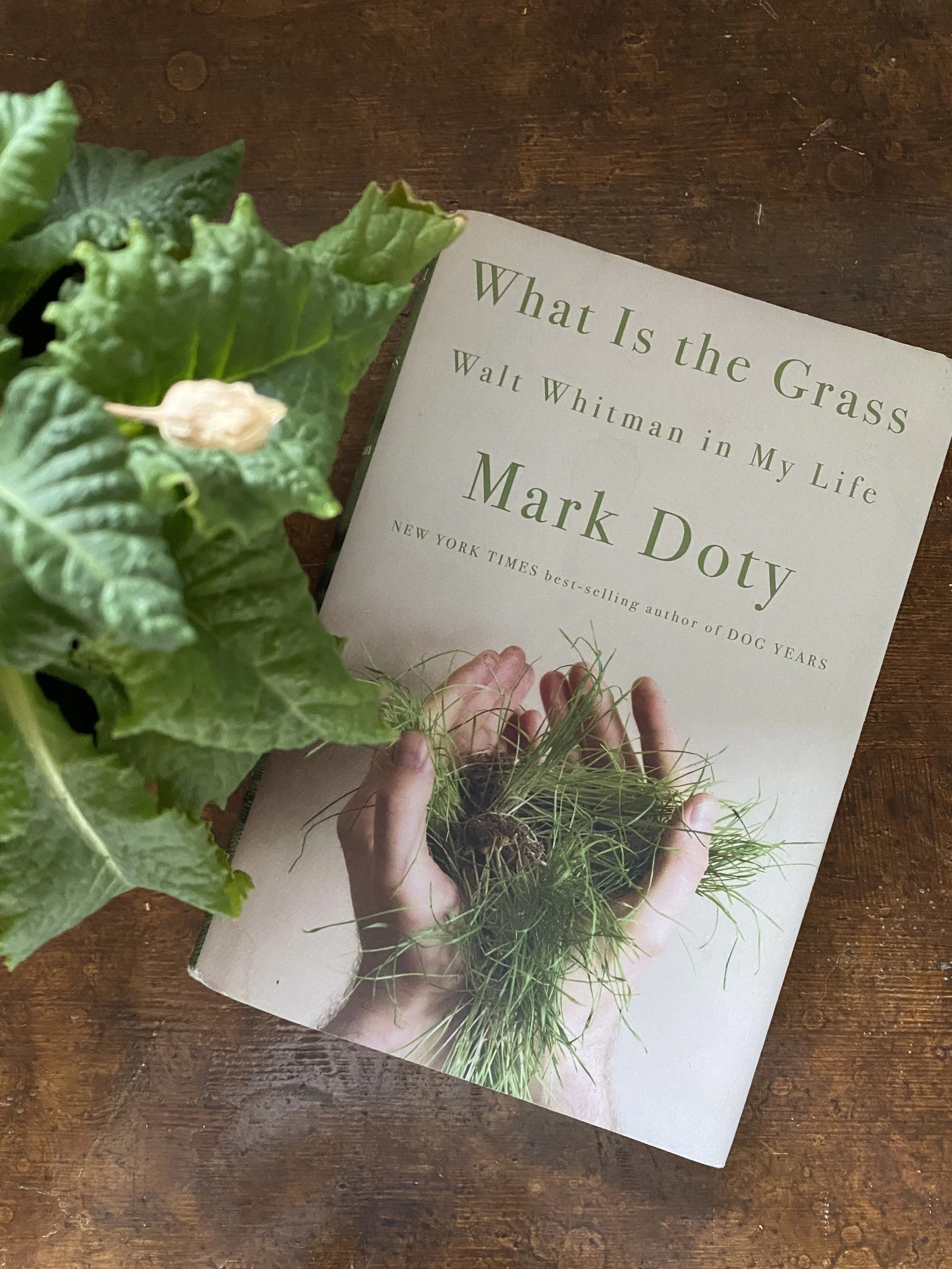
What Is The Grass by Mark Doty

5/5 stars

What's it about? In essays both personal and intellectual, poet Mark Doty celebrates the impact of Walt Whitman — his spirit and his work — on the development of his own craft and identity. A rich, endearing read.

How’d I find it? Whitman seems to find me.

Who will enjoy this book? Fellow Whitmanians will gobble up this one. Those interested in contemporary poetics should find much to appreciate.

What stood out? It isn’t quite right to think of What Is the Grass as criticism. It’s more inspiration in action. Doty discusses echoes of Whitman in his life through a fusion of memoir, analysis, and praise, extolling the America imagined by Whitman in Leaves of Grass, a groundbreaking force. Swaths of Whitman’s work anchor each essay, inviting readers to revisit the source material. What Is the Grass argues for poetry’s possibilities.

Which line made me feel something? “What does being on earth ask of us? The world wants to be rescued from evanescence, to be translated into an immaterial realm that does not perish because it was never exactly alive. To become, in other words, poetry”. Shivers.

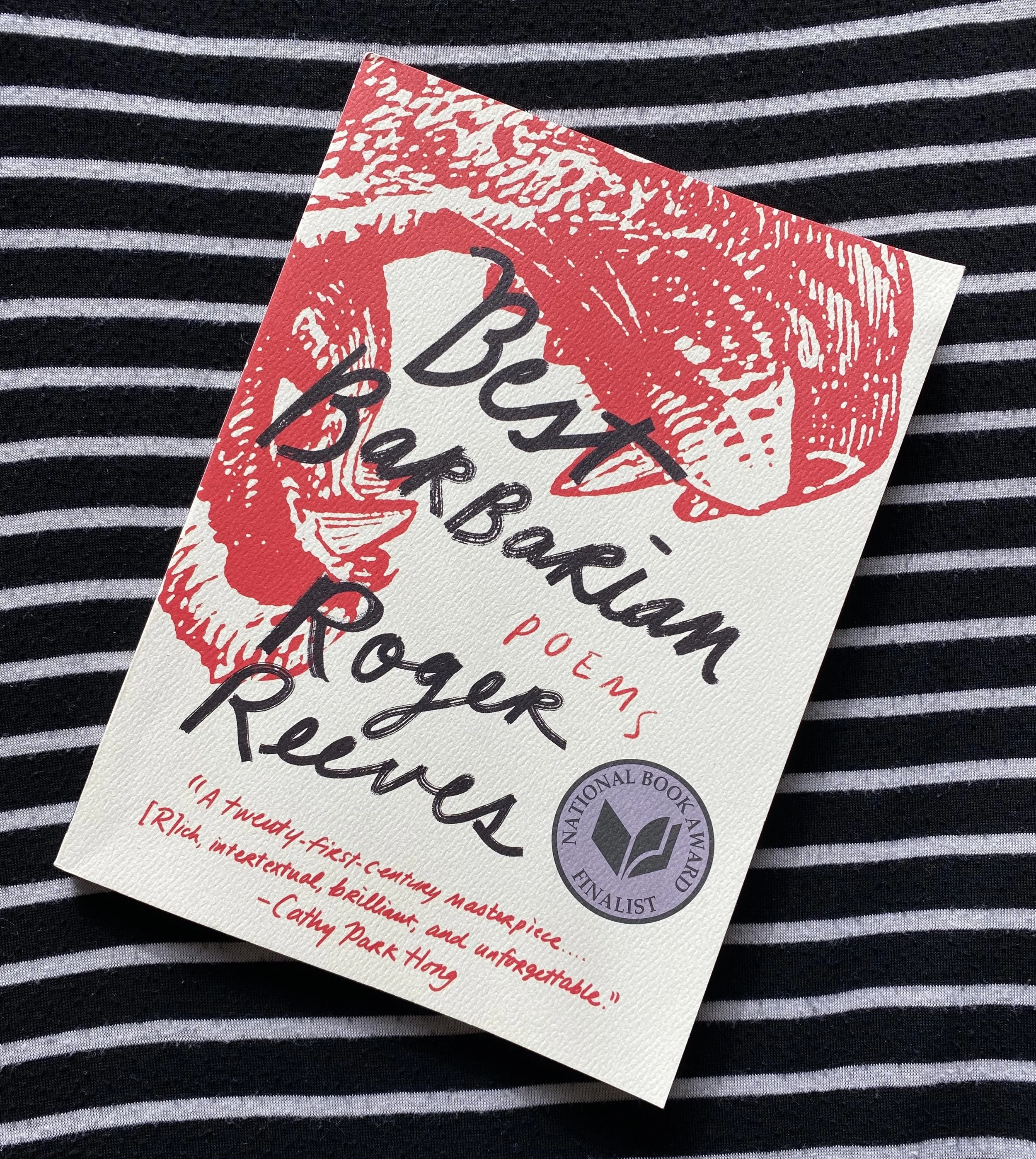
Best Barbarian by Roger Reeves

4/5 stars

What's it about? In his second collection, Roger Reeves interrogates the grief and suffering wrought by humanity. Best Barbarian lays out our ugly, violent, and racist wrongs and marvels at how we continue to reach for each other to survive.

How’d I find it? This was recommended by someone who knows poetry and my taste in poetry. A home run.

Who will enjoy this book? These poems should be appreciated by any poetry reader. Try Kyle Dargan’s work once you finish Best Barbarian.

What stood out? Like Anne Carson, Roger Reeves is a poet-scholar whose work mines history, literature, myth, and memoir as source material. Every poem contains a treasure trove of references deserving of multiple reads. Take “Domestic Violence,” a nod to Dante, Chaucer, and Virgil in which Louis Till is guided in the afterlife by Audre Lorde, Gwendolyn Brooks, and Lucille Clifton. Yeah, it’s heady.

Which line made me feel something? Almost every line caused a twinge, but I was of course drawn to “The Broken Fields Mended,” which riffs on Whitman: “It is like the future and past of us meeting above and below us, our something in the way / Of disappearing, our something in the snow; though the deer past, though the angel burned, stay with me”

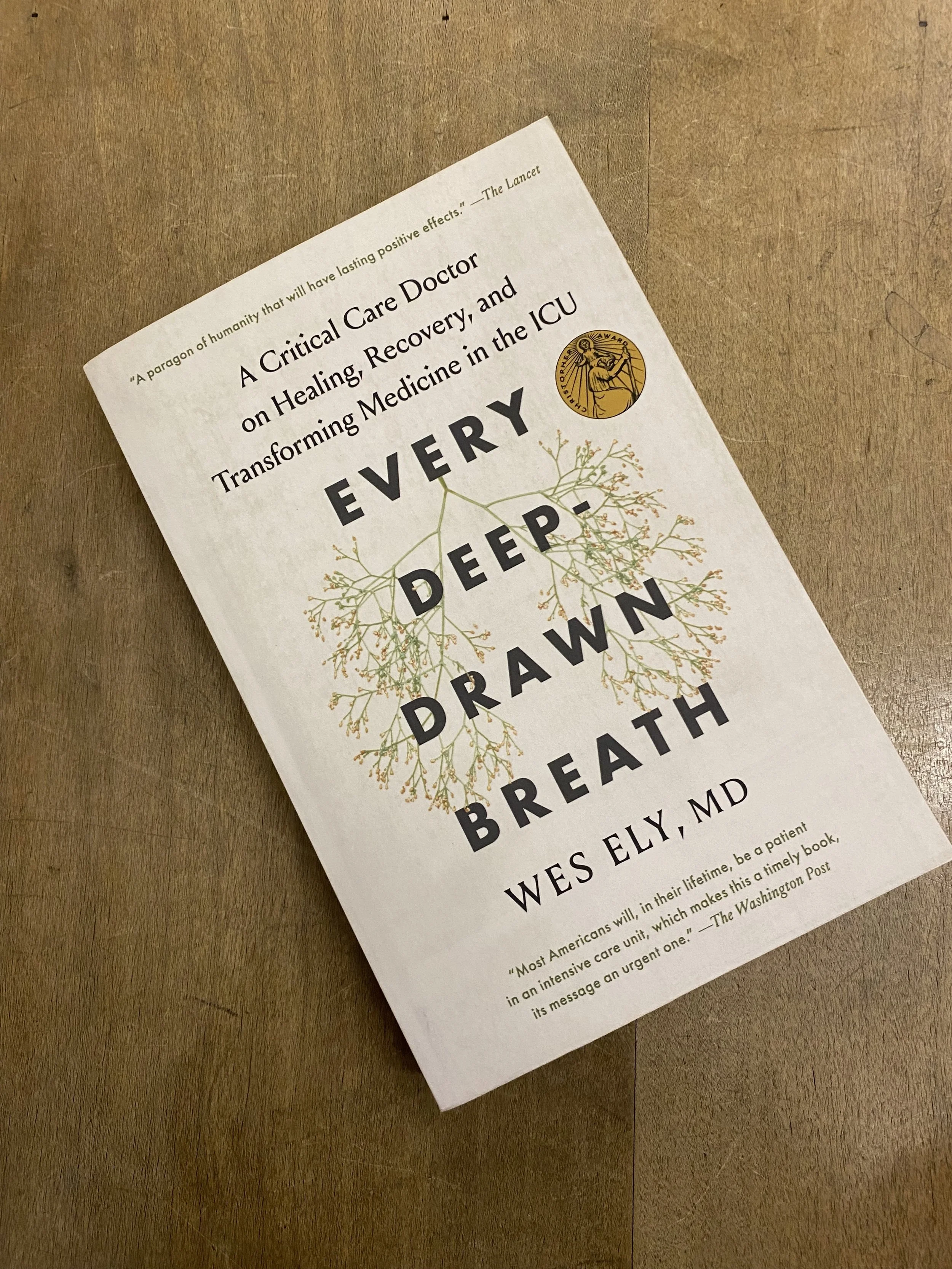
Every Deep-Drawn Breath by Wes Ely

4/5 stars

What's it about? Physician Dr. Wes Ely discovers that the ICU practice of sedating and immobilizing critically ill patients leaves many with chronic illness and disability if they survive their hospitalization. Through research, determination, and collaboration, Dr. Ely vows to cultivate a practice of beneficence (doing good) instead of benevolence (wishing good). An impassioned plea for compassion in critical care.

How’d I find it? A colleague recommended this title for our book club, and oh, how it fired up us nurses. I borrowed my copy from Multnomah County Library.

Who will enjoy this book? Every Deep-Drawn Breath pairs well with Atul Gawande’s Being Mortal, which Dr. Ely lists as an inspiration for his book.

What stood out? Dr. Ely’s belief in his mission comes through the page, and it’s hard to resist his conviction. For healthcare workers, this book will read as a call to action; my fellow nurses and I spent much of our book club meeting discussing ways to introduce long-term quality-of-life activities into our daily practice. Every Deep-Drawn Breath’s most valuable content is perhaps the resource section at the end of the book with practical information for patients, families, and the medical community.

Which line made me feel something? I need to know more about this Halpern: “Compassion can be understood as empathy in action. I had long been a believer in researcher and bioethicist Dr. Jodi Halpern’s work on clinical empathy, especially her teaching that compassion should never be an extra step in our care, but an adverb to describe how we care.”

Ultramarine by Mariette Navarro, translated by Eve Hill-Agnus

5/5 stars

What's it about? An accomplished ship captain impulsively allows her crew to swim in the sea, and everything that comes after goes awry. Most concerning: the voyage started with twenty sailors—now there are twenty-one. An eerie page-turner.

How’d I find it? I picked up a few titles from a display of short reads at Powell’s, and all have been bangers. Admittedly, this cover played no small role in my purchase.

Who will enjoy this book? The disjointed narrative and dreamy prose of Ultramarine recall Julia Armfield’s Our Wives Under the Sea.

What stood out? Mariette Navarro knows what she’s doing. The shifting realities of Ultramarine keep the reader tense, but the siren effect of its atmospheric language make the discomfort worthwhile. That uneasiness lingers, even though the book is brief and can be consumed in one captivated sitting. The ocean is very scary.

Which line made me feel something? A representative example of Navarro’s beautiful writing: “They’ve left the sounds of the earth and of the surface: they discover the music of their own blood, a drumming to the point of jubilation, percussion that could lead them to a trance. Dark sound of held breaths, symphony of lightness.”