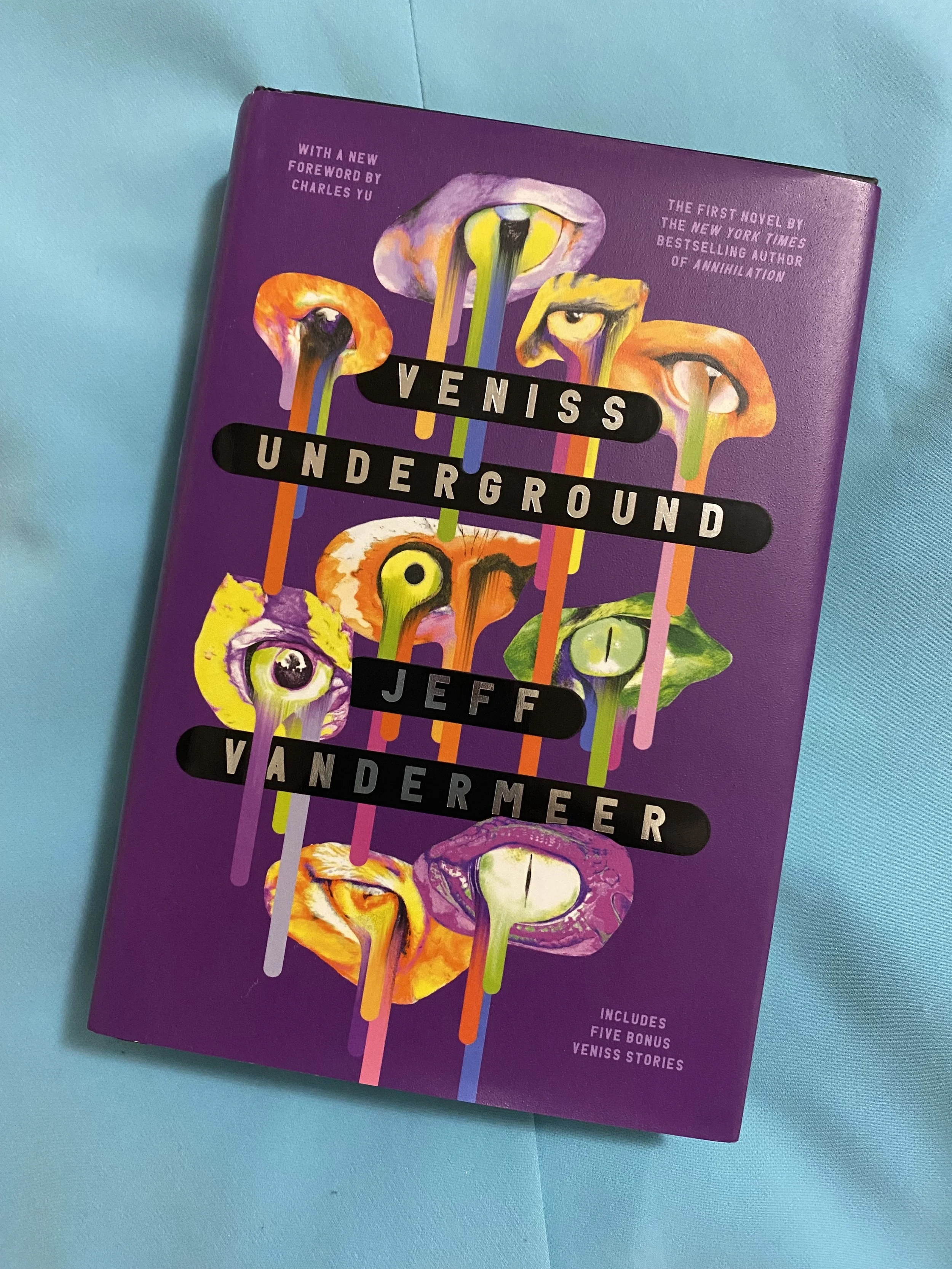
Veniss Underground by Jeff VanderMeer

3/5 stars

What's it about? in VanderMeer’s first novel, Nicolas meets the seemingly omniscient bioneer Quinn, setting off a chain of events that will affect the lives of his twin sister Nicola and Shadrach, her former lover. A gruesome thriller of beauty.

How’d I find it? I was strolling the shelves at Greedy Reads in Remington and picked up this copy.

Who will enjoy this book? This is Philip K. Dick mixed with Cronenberg body horror. You’ll like it, I swear!

What stood out? As I do in all my reviews of his work, I must praise VanderMeer’s gorgeous writing; his descriptions make even the grotesque seem sumptuous. The five stories that follow the novel round out VanderMeer’s world-building, and I can say I enjoyed the stories all the more for having already spent many pages in Veniss, corrupt city of the future.

Which line made me feel something? From the story “Detectives and Cadavers:” “I walked until I could hear it clearly: a chorus of reed-thin voices that reminded me of whale-song, of wind through hollow glass.”
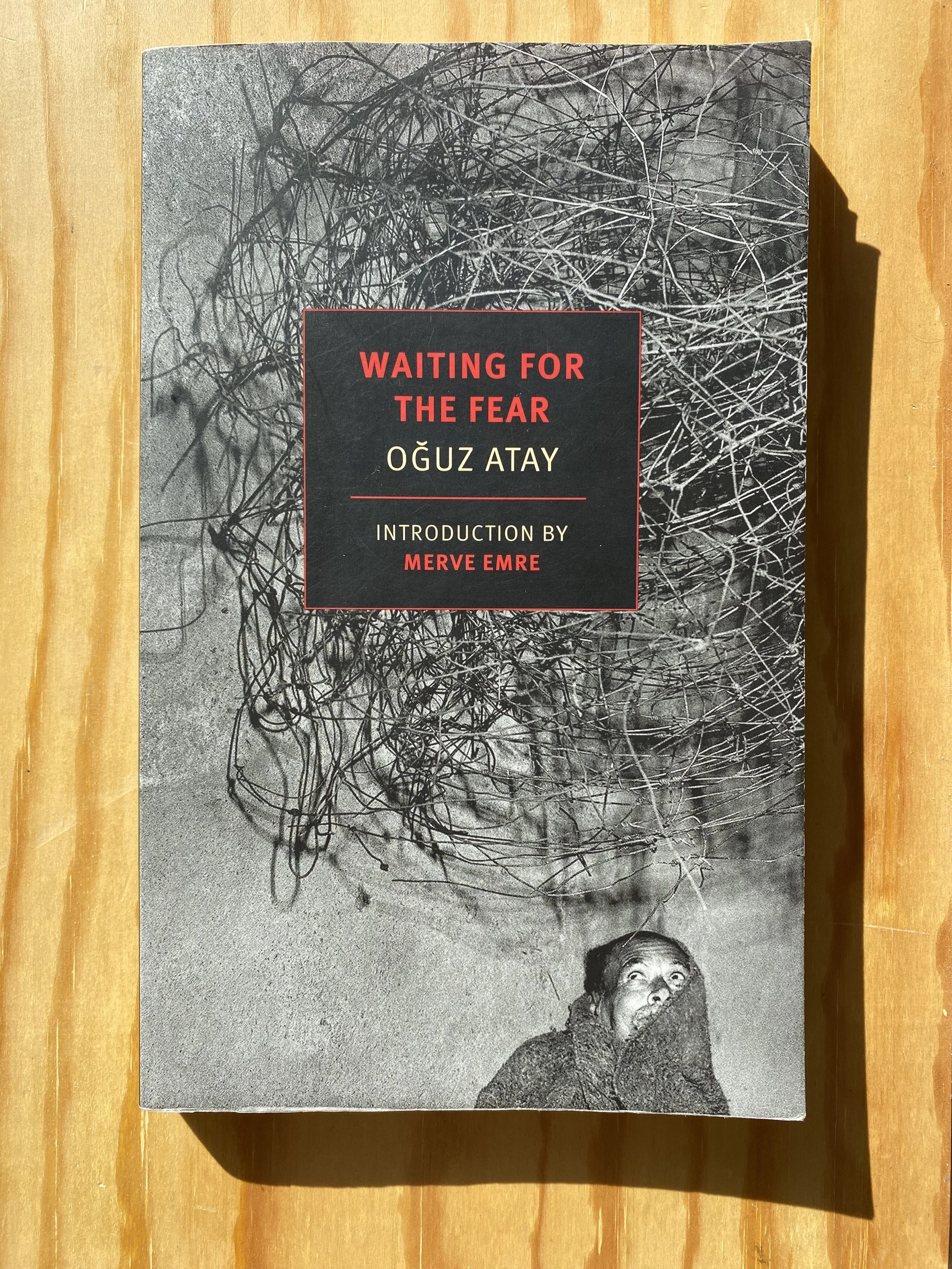
Waiting for the Fear by Oguz Atay, translated by Ralph Hubbell

3/5 stars

What's it about? In this eerie collection, the stories of Turkish writer Oguz Atay catch folks in disturbing situations, such as discovering the desiccated body of an ex in the attic or receiving a threat in an alien language.

How’d I find it? I must credit the NYRB Classics Book Club for this find.

Who will enjoy this book? If you like the stories of Samanta Schweblin or Anna Kavan, Waiting for the Fear will be right up your alley.

What stood out? Atay favors an imperious tone that brightens these dark tales. The speakers and protagonists of the stories in Waiting for the Fear react to strangeness in manic and paranoid ways. Take, for example, the advice columnist of “Not Yes Not No” who composes a deranged reply to a lovelorn man lacking in letter writing skills: “How can someone so pitiful feel such self-confidence?”

Which line made me feel something? From the title story: “The moon incident had gotten me thinking that I used to dislike nature, but now I wondered if I’d always sort of liked it. I wondered if at some point, because of the trees, the grass or insects that can’t fly, I’d begun in fact to love it.”

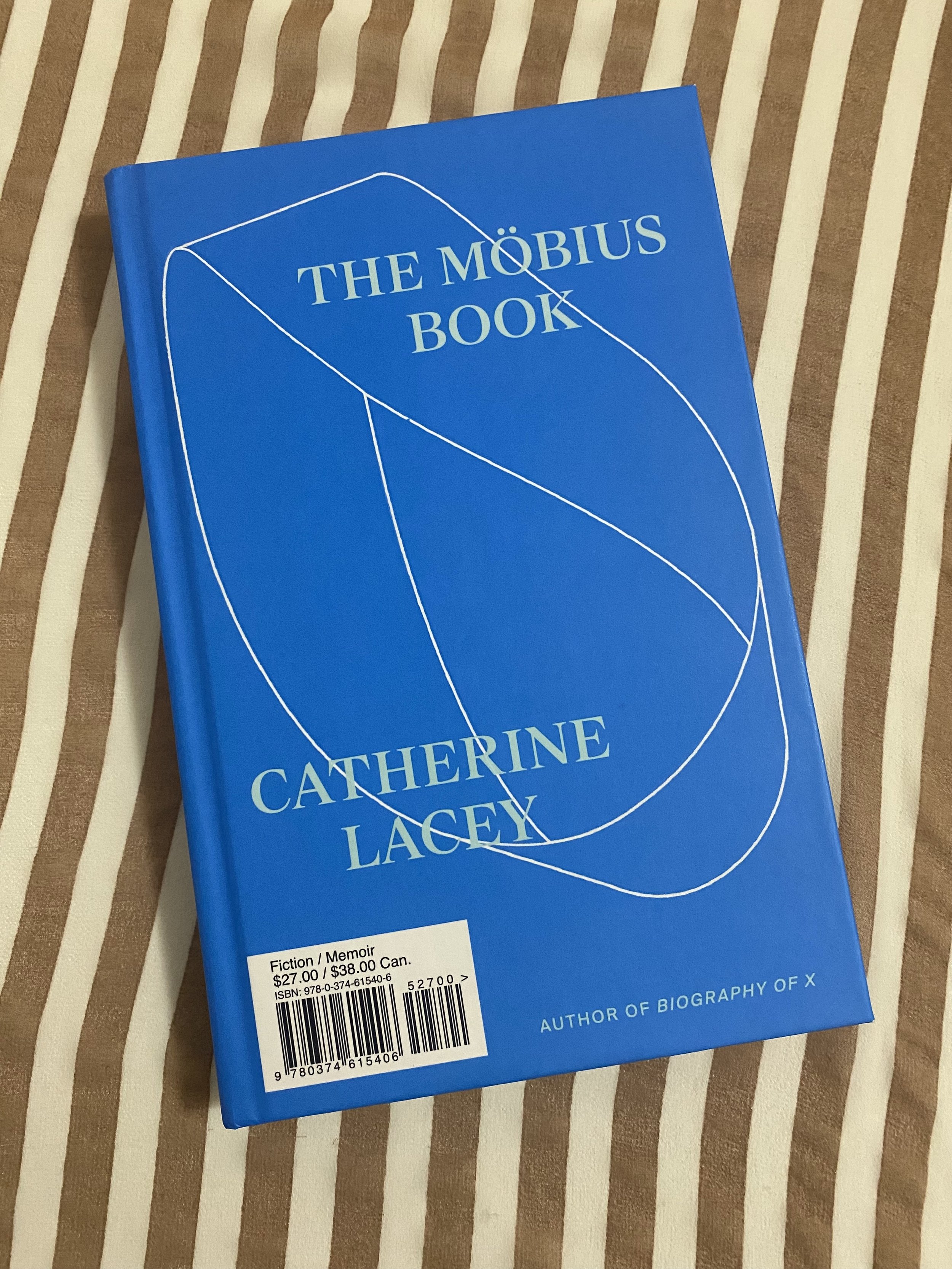
The Möbius Book by Catherine Lacey

3/5 stars

What's it about? Catherine Lacey dissects the end of her marriage through a hybrid work in two parts: a memoir detailing the breakup’s aftermath and an uneasy novella about two old friends, whose relationships have both ended, reconnecting despite suspicious activity next door.

How’d I find it? We all know how much I adored The Biography of X. If Catherine Lacey writes it, I want to read it.

Who will enjoy this book? While I didn’t care for Lisa Halliday’s Asymmetry, those who did might like the oblique structure of The Möbius Book.

What stood out? Catherine Lacey knows how to put a book together. I don’t doubt that the personal nature of the content made this a taxing book to write, and she approaches that subject matter (loss, grief) with innovation in form. “Husband left wife,” she seems to say. “Here’s the cliché I survived, and the fiction that came from it.” The Möbius Book can be read in either direction (starting with the novella or the memoir piece). I found the novella a more interesting approach.

Which line made me feel something? Some of Lacey’s anguish hit close to home: “Haven’t you ever tried to love or take care of someone despite being given ample reason that they cannot or do not want to receive your love or care? A faith it could go differently. An amnesia of how it’s gone. Haroula thought for a moment, very still, then handed me a half orb of orange. No, she said. Why would I do that?”

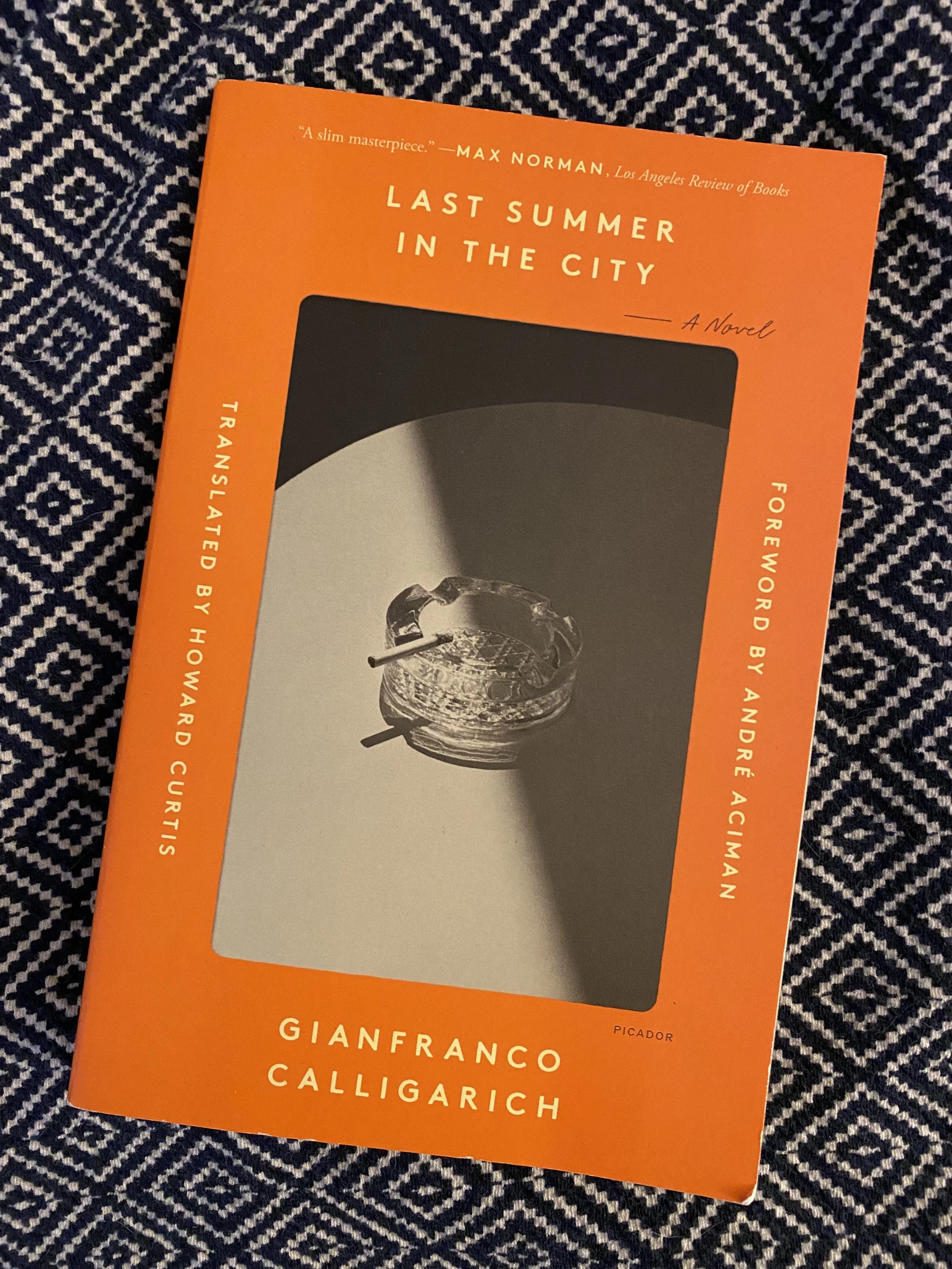
Last Summer in the City by Gianfranco Calligarich, translated by Howard Curtis

3/5 stars

What's it about? Leo Gazarra, perpetually drunk, aimless, remembers at the end of a terrible day that it’s his thirtieth birthday. Thus begins his affair with the unpredictable Arianna. A melancholic novel that makes of Rome an indifferent mistress.

How’d I find it? The staff recommendations shelf at Powell’s has the goods.

Who will enjoy this book? As André Aciman’s introduction to this edition aptly observes, Last Summer in the City is an ideal companion read for Fellini’s La Dolce Vita or Paolo Sorrentino’s The Great Beauty. In terms of tone, think Catcher in the Rye in the style of Bret Easton Ellis.

What stood out? A former resident of Rome, I relished following Leo around the city, meeting folks at the Spanish steps, having far too many drinks at a piazza trattorias, and lazily peering into shop windows. Rome seems to hit people in a particular way, and the characters of this novel all want to escape, burdened by the city’s history and their need for frivolity. Everyone, it would seem, is “at the end of their tether.” Calligarich captures that feeling, and Last Summer in the City marinates in futility, culminating in a last act that ramps up the melodrama. Leo, for his part, knows how to find relief: he takes to the sea.

Which line made me feel something? Leo’s best friend, Graziano, kept me smiling: “We found ourselves in a cloister enclosed by columns carved from boulders. ‘Christ,’ he said. ‘More rocks.’”

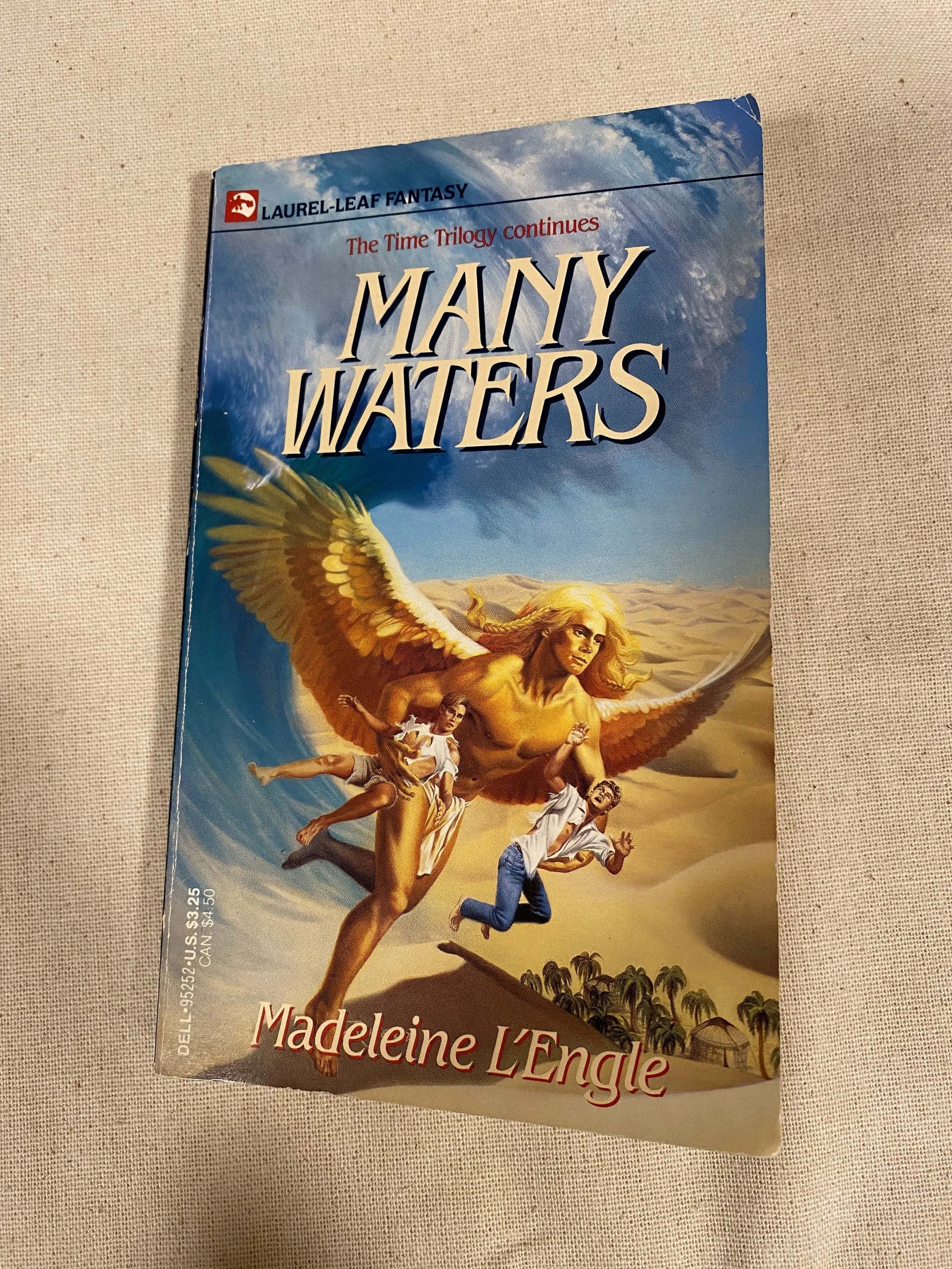
Many Waters by Madeleine L'Engle

3/5 stars

What's it about? The fourth book of the Time Quintet focuses on twins Sandy and Dennys Murray, who accidentally transport themselves to a remote desert civilization where they meet Noah, a man they recognize might one day build a boat.

How’d I find it? An English teacher took me to meet L’Engle when I was in sixth grade. L’Engle’s inscription in my copy of A Ring of Endless Light reads “Be a Light Bearer.”

Who will enjoy this book? Like I’ve mentioned in prior reviews, the Time Quintet offers wholesome fantasy for young readers. Many Waters nods to the Old Testament while maintaining the universality of the book’s themes.

What stood out? As in all her fiction, L’Engle dispenses with the rules of the universe as we know them and creates her own realities. In Many Waters this takes the form of the seraphim and nephilim, angels that move among the humans and shape their destinies. Don’t worry, there are also unicorns.

Which line made me feel something? L’Engle’s vision of a higher power is certainly romantic: “All the raging of creation, the continuing hydrogen explosions on the countless suns, the heaving of planetary bodies, all was enfolded in a patient, waiting love.”

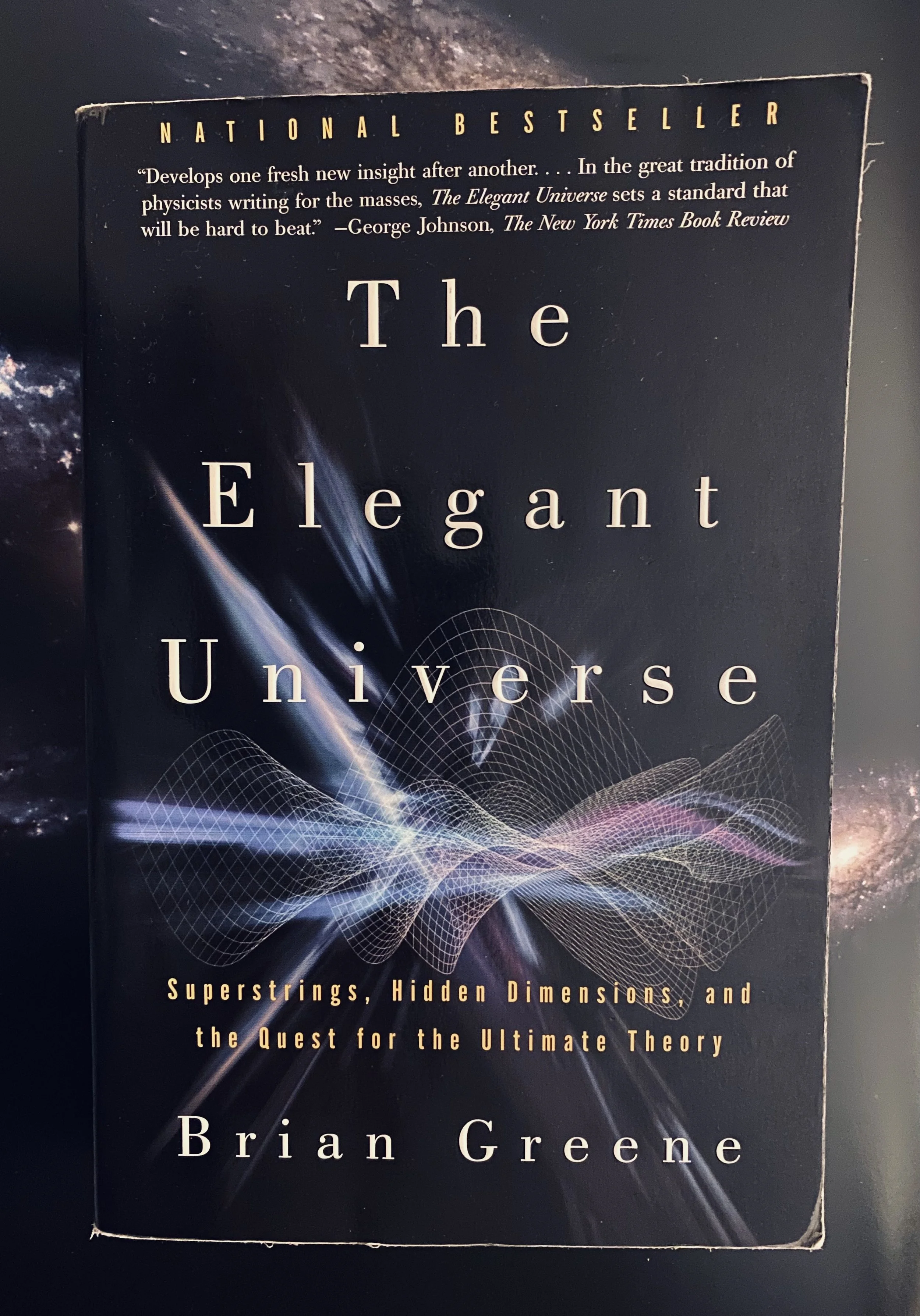
The Elegant Universe by Brian Greene

4/5 stars

What's it about? Brian Greene (elegantly, dare I say?) explains superstring theory, its potential to solve the conflict between quantum mechanics and general relativity, and the history of scientific discovery behind these theories.

How’d I find it? I’ve had this book on my shelves for at least ten years, as evidenced by where I found it: Books for America, a wonderful but long-gone used bookstore in Washington, DC.

Who will enjoy this book? If you enjoy popular science à la Neil deGrasse Tyson and Carlo Rovelli, you’ll appreciate The Elegant Universe.

What stood out? This is physics made approachable, a feat achieved by visuals, Greene’s enthusiasm, and many a metaphor to buoy readers through the more abstract concepts. Garden hoses will remind me of multiple dimensions forevermore. And like any good popular science book that focuses on astrophysics, The Elegant Universe gives the people what they want: a chapter on black holes.

Which line made me feel something? The descriptions of scale in this book make the mind wobble: “a black hole whose mass is about three times that of the sun has a temperature of about a hundred-millionth of a degree above absolute zero.”

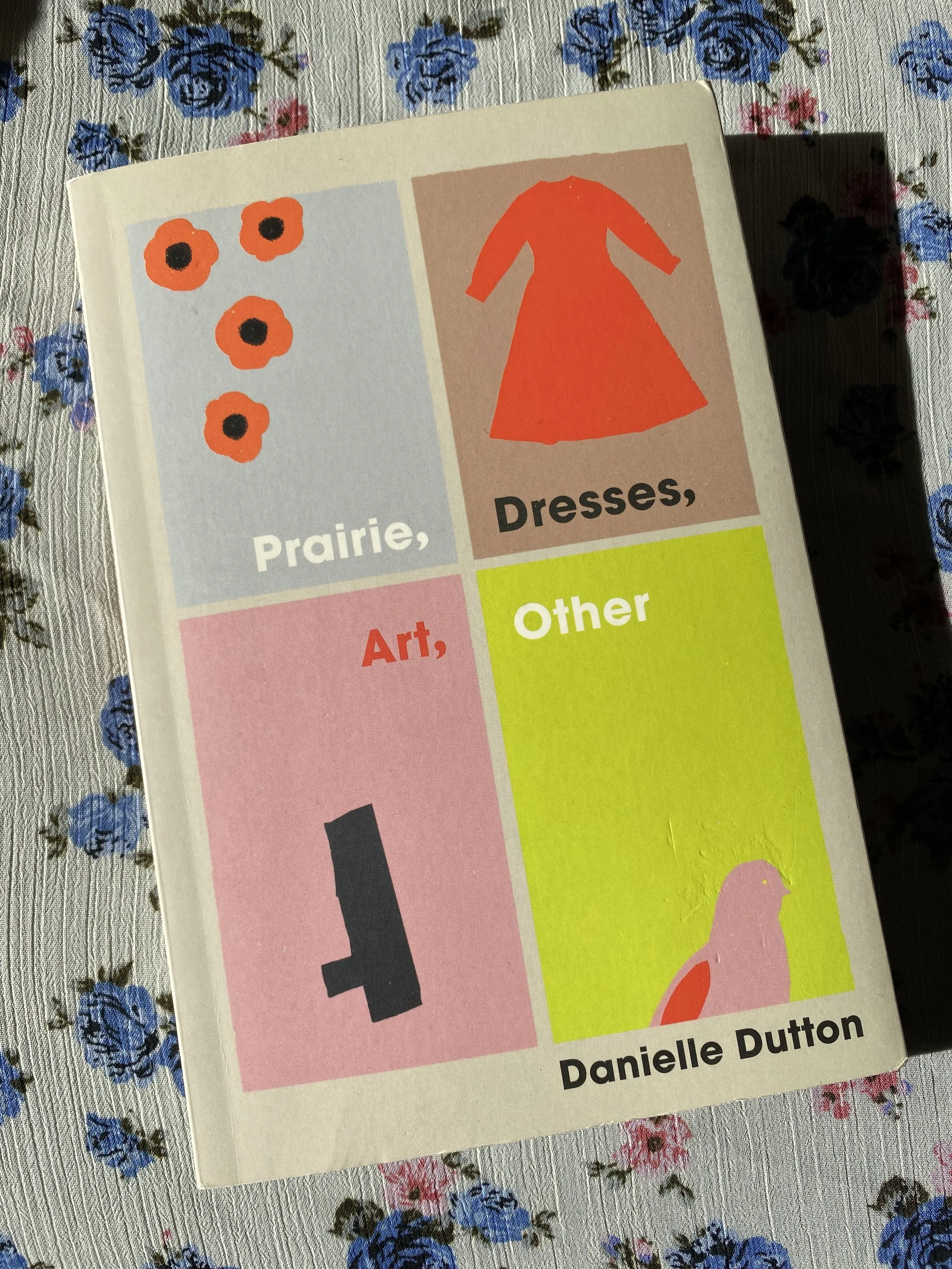
Prairie, Dresses, Art, Other by Danielle Dutton

4/5 stars

What's it about? Danielle Dutton writes to the four title subjects, forging a collection of plain good storytelling. A book that takes risks, and they work.

How’d I find it? The person who recommended Best Barbarian by Roger Reeves suggested this one, so I had an inkling I’d like it.

Who will enjoy this book? Readers of Anne Carson and Maggie Nelson’s Bluets will love this book.

What stood out? I was particularly smitten with the collage pieces of Prairie, Dresses, Art, Other: “Sixty-Six Dresses I Have Read,” a quilt of writing about dresses that builds into a larger narrative, and “A Picture Held Us Captive,” a smart essay on how artworks converse with each other. The eclectic mix of work featured here includes flash fiction, essay, memoir, and even a one-act play.

Which line made me feel something? From the short story “Installation:” “The ‘hillside’ evoked hillsides, she realized, but other things as well. It felt like a performance. It felt like an obsession in space.”

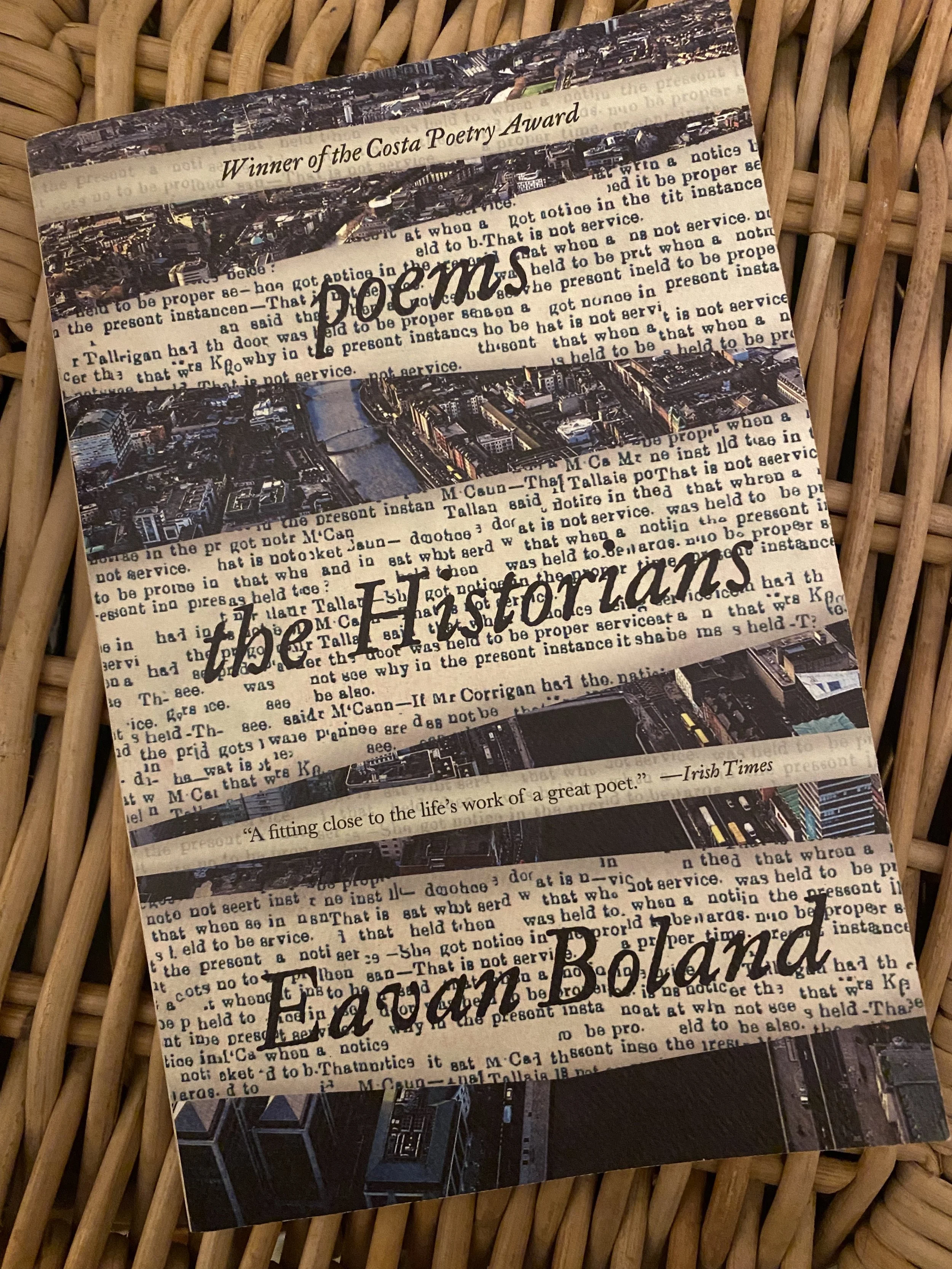
The Historians by Eavan Boland

3/5 stars

What's it about? In her final collection, Eavan Boland returns to women’s histories, craft, and country.

How’d I find it? Praise be a Saturday browse at Powell’s.

Who will enjoy this book? If you’ve never read Eavan Boland and delight in Seamus Heaney, you’re in for a treat.

What stood out? Narrative poems and ars poeticas populate The Historians, with one section made up of a piece commissioned for the 100th anniversary of Irish women’s suffrage. Boland sure knows how to devise a turn in a poem.

Which line made me feel something? From “The Fire Gilder,” which opens the book: “My subject is the part wishing plays in / the way villages are made / to vanish, in the way I learned / to separate memory from knowledge, / so one was volatile, one was not”

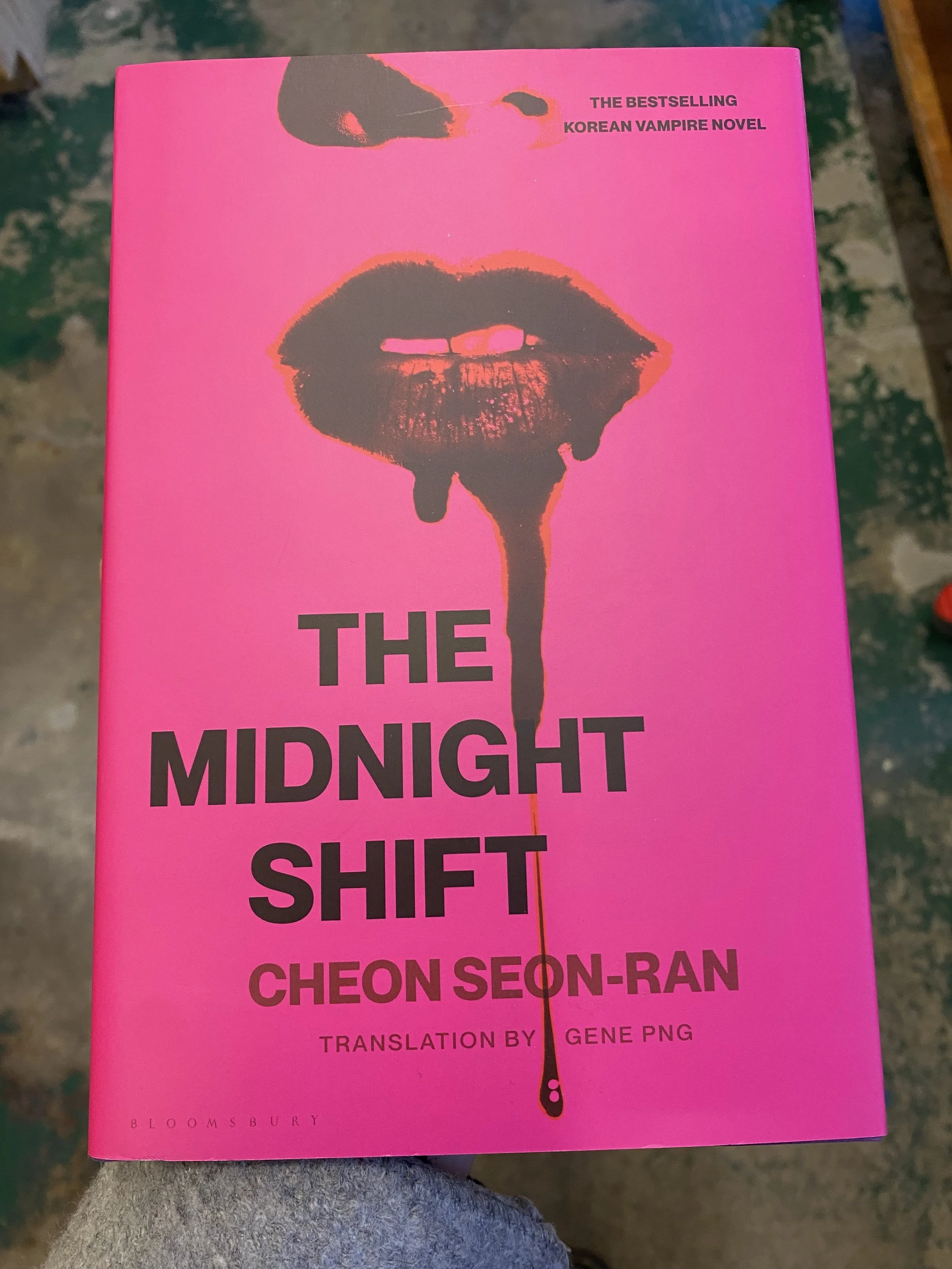
The Midnight Shift by Cheon Seon-Ran, translated by Gene Png

2/5 stars

How’d I find it? Aside from the hot pink cover, I was drawn to the prospect of a vampire tale and the hospital as hunting ground.

Why not 3 or more stars? Detective Su-Yeon investigates a spree of suicides among a hospital’s older patients and encounters Violette, a vampire-hunter who suspects foul play. The Midnight Shift toggles between Su-Yeon’s story and the struggles of one of the hospital’s nurses, while doling out Violette’s back story in fragments. Though entertaining, the novel lacks in vampire lore to round out the narrative, and our characters remain one-dimensional to a conclusion befitting of the CW.

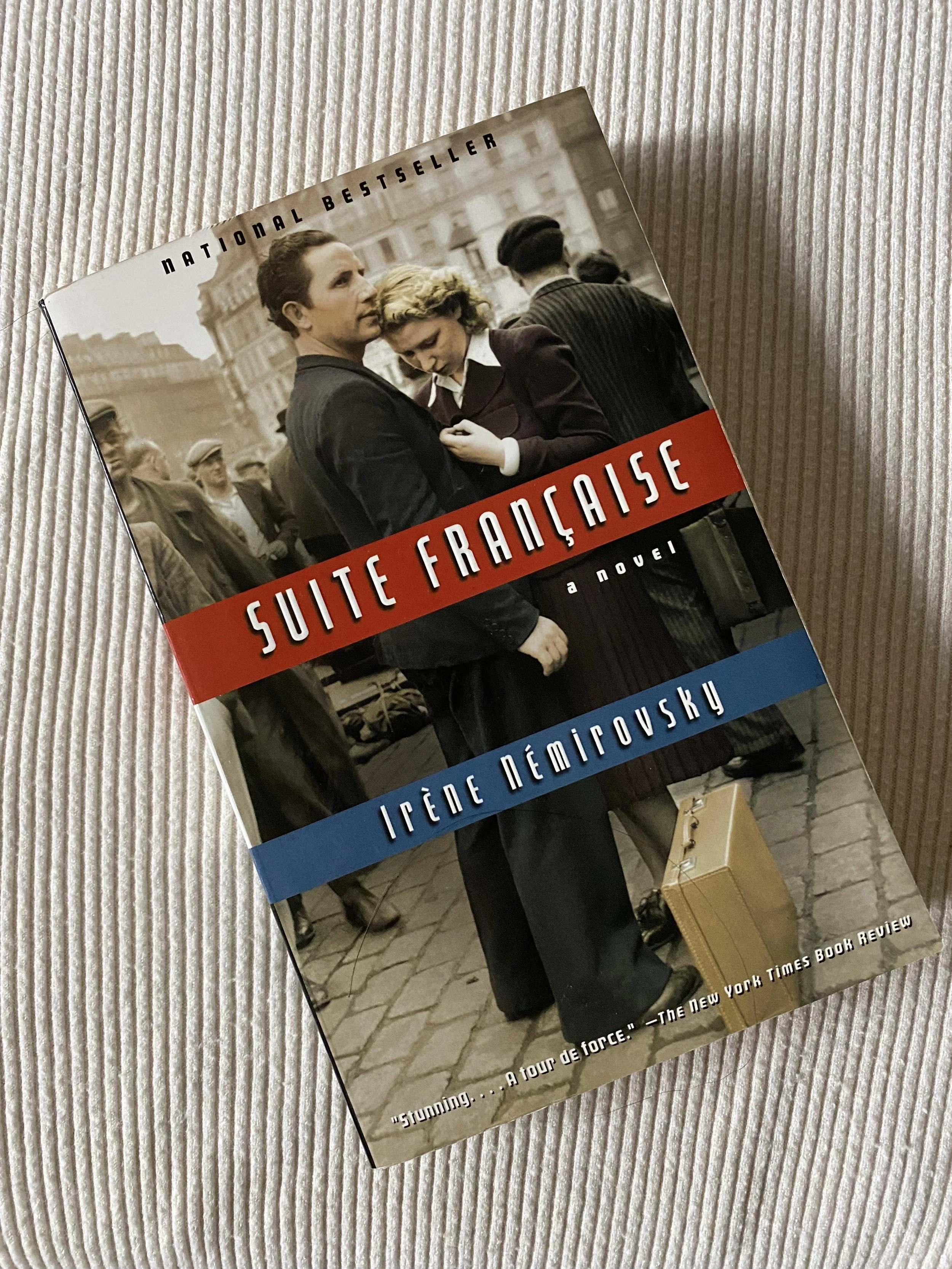
Suite Française by Irène Némirovsky, translated by Sandra Smith

4/5 stars

What's it about? This vivid and human account of the Nazi occupation of France is made all the more potent by the fact of the novel’s publication long after the author’s death at Auschwitz.

How’d I find it? Suite Française appears on “best of” lists, and I had to check it out.

Who will enjoy this book? Fans of Kristin Hannah’s work and Anthony Doerr’s All the Light We Cannot See should like this one.

What stood out? Suite Française collects two of a planned five-part series unfinished by Némirovsky; the work she was able to complete captures war in the intimate details of individuals trying to survive. The edition I read concludes with Némirovsy’s notes on the project, as well as heartbreaking correspondence that describes her deportation and disappearance.

Which line made me feel something? “Yet this music, the sound of this rain on the windows, the great mournful creaking of the cedar tree in the garden outside, this moment, so tender, so strange in the middle of war, this will never change, not this.”